The psychology behind casino gameplay understanding the mind's influence on decision-making
The Nature of Decision-Making in Gambling
The decision-making process in gambling is intricately tied to psychological principles that can often override rational thought. Gamblers frequently rely on heuristics—mental shortcuts that simplify decision-making. For example, players might believe they have a “lucky” slot machine or that their past wins will influence future outcomes. This cognitive bias can lead to repeated behaviors that are not grounded in statistical reality, thereby affecting their gambling choices and experiences. Moreover, players can enjoy a rich online gaming experience at Uptown Pokies Casino Australia, which offers a variety of games tailored specifically for their preferences.
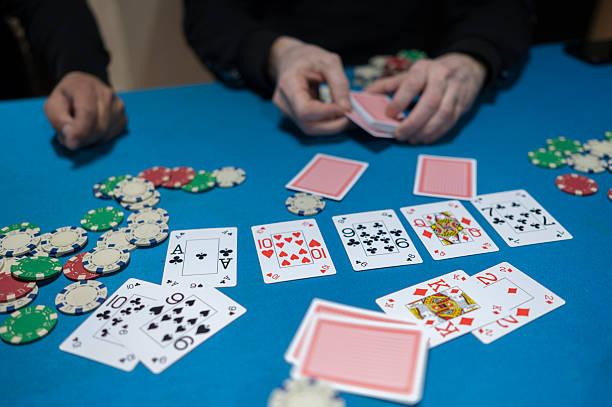
Additionally, emotions play a critical role in decision-making during gameplay. The thrill of the game can evoke strong feelings such as excitement or frustration, which can cloud judgment. For instance, a player who experiences a winning streak may feel invincible, leading them to make riskier bets than they normally would. This emotional escalation not only increases the likelihood of financial loss but also deepens the psychological dependence on gambling.
The interplay between risk and reward is another important aspect of decision-making in casinos. The potential for high rewards can draw players in, sometimes leading them to ignore the odds stacked against them. This phenomenon, known as the “illusion of control,” gives gamblers a false sense of influence over the outcome of games, further perpetuating their engagement. Understanding these psychological underpinnings is crucial for recognizing how decisions are made in the context of gambling.
The Role of Cognitive Biases
Cognitive biases are systematic patterns of deviation from norm or rationality in judgment, and they are particularly prevalent in gambling scenarios. One well-known bias is the “gambler’s fallacy,” where individuals mistakenly believe that past events will influence future outcomes. For example, if a player sees a specific number has not appeared in a roulette game for several spins, they might bet heavily on it appearing soon, underestimating the independence of each spin.
Another significant bias is the “availability heuristic,” where individuals make decisions based on immediate examples that come to mind. If a gambler frequently witnesses others winning large sums, they may be more inclined to believe they can achieve similar results, regardless of the actual odds. This selective memory can create a distorted perception of reality, encouraging continuous play even when financial responsibility may suggest otherwise.
By understanding these cognitive biases, gamblers can become more aware of their thought processes and how they might affect their decisions. This awareness can lead to more responsible gambling behaviors, where individuals set boundaries and adhere to them, ultimately promoting a healthier relationship with gambling.
Emotional Triggers and Their Impact
Emotions significantly influence gambling behavior, acting as both a motivator and a potential detriment. For many, the rush of adrenaline experienced during gameplay can create a powerful emotional high. This high, often accompanied by the anticipation of potential wins, can lead to addictive behaviors. Players may chase this feeling, often forgetting the financial repercussions of their actions, as they become more invested in the thrill of the game rather than the game’s actual outcomes.
Moreover, emotional triggers can prompt decisions that are not aligned with rational thinking. For instance, a player experiencing a loss may feel compelled to increase their bets in an attempt to recover lost funds, a practice known as “chasing losses.” This emotional reaction can lead to a cycle of increased risk-taking that can ultimately result in significant financial harm.
Recognizing emotional triggers is essential for promoting responsible gambling practices. Individuals can benefit from strategies such as setting spending limits and taking breaks, which can help mitigate the influence of emotions on decision-making. By implementing these strategies, players can foster a healthier gaming environment that prioritizes enjoyment over financial stress.
The Influence of Environment on Gambling Behavior
The environment in which gambling occurs plays a crucial role in shaping a player’s decision-making process. Casinos are designed to stimulate excitement and keep players engaged, featuring bright lights, enticing sounds, and strategically placed machines. This atmosphere can create an immersive experience that enhances emotional responses, making it difficult for gamblers to step back and make rational decisions.
In addition to sensory stimulation, social dynamics in casinos can further influence behavior. Peer pressure and the social acceptance of gambling can lead to increased risk-taking. When individuals see others winning or having fun, they may feel compelled to join in, often disregarding their better judgment. This social aspect can reinforce reckless behaviors and make it challenging to maintain responsible gambling practices.
Awareness of the environmental factors at play can help individuals make more informed choices. Understanding that casinos are designed to draw players in can empower gamblers to set personal limits and be mindful of their surroundings. By acknowledging these influences, players can create a healthier gambling experience that aligns with their personal values and financial goals.

The Importance of Responsible Gambling
Responsible gambling is vital for ensuring that individuals enjoy gaming experiences without succumbing to the adverse effects of addiction. This approach emphasizes awareness of one’s own limits, setting financial boundaries, and understanding the odds associated with different games. By adopting a responsible gambling mindset, players can enhance their enjoyment while minimizing the risks of negative outcomes.
Education plays a crucial role in promoting responsible gambling practices. Many organizations offer resources and tools to help individuals understand the psychology behind their behavior and make informed choices. These resources can include guides on recognizing the signs of problem gambling, strategies for maintaining control, and tips for creating a balanced approach to gameplay.
Ultimately, fostering a culture of responsible gambling benefits both players and the casino industry. By prioritizing player welfare, casinos can create a more sustainable environment that encourages long-term engagement without risking the well-being of their clientele. Emphasizing responsible gambling can lead to a healthier relationship with gaming, where enjoyment and caution coexist.
About The Author
